Show Notes
Sorcery Accusation Related Violence in Papua New Guinea: Ali Moloney on Healthcare Response and Survivor Support
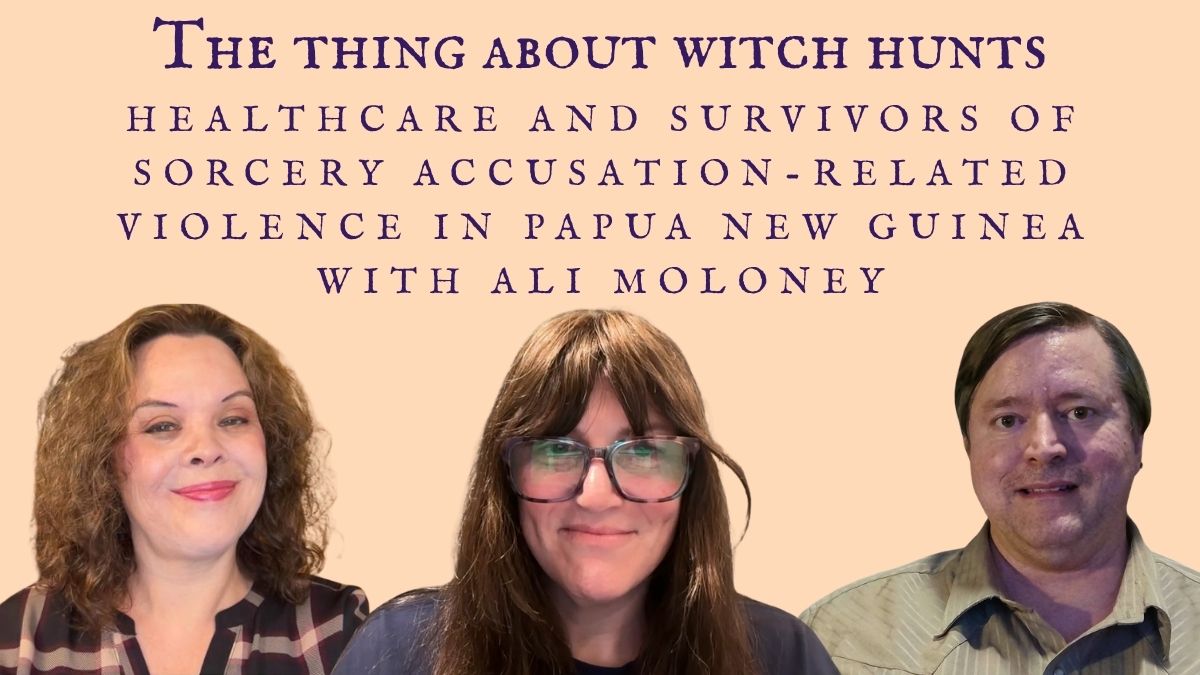
We confront the urgent reality of sorcery accusation-related violence (SARV) in Papua New Guinea with nursing educator Ali Moloney, who has spent six years helping to develop a national curriculum for community health workers and nurses across this culturally and geographically diverse country. Ali describes how accusations—most often against women (over 90%)—can follow illness, death, misfortune, or even drought. She details how large groups, often more than 100 perpetrators, escalate attacks marked by dehumanization, blindfolding, stripping, prolonged torture, and attempts to force confessions. Survivors face displacement, re-accusation, stigma, and danger for themselves and their children, compounded by limited roads, scarce resources, and barriers to police and medical access. Ali shares her three-year fight to integrate SARV response, referral pathways, and mental health education into PNG healthcare training, and calls for accountability, reporting violent online content, and sustained conversations to drive change.
Chapters
- 00:00 Meet Ali Moloney
- 01:21 Ali’s PNG Nursing Work
- 02:36 Papua New Guinea Context
- 03:53 Who Gets Accused
- 06:15 Mob Violence Patterns
- 07:51 Dehumanization Tactics
- 09:38 Barriers to Rescue
- 10:58 Beliefs and History
- 13:11 Life After Accusation
- 17:36 Survivors and Confessions
- 19:30 A Case Study
- 23:59 Gendered Violence Differences
- 25:07 Torture for Confession
- 29:21 Teaching SARV in Schools
- 32:00 Getting It Into Curriculum
- 33:18 Mental Health and Stigma
- 36:30 Research and Interviews
- 41:32 What Change Takes
- 44:32 How Listeners Can Help
- 47:04 Closing Reflections
Links
- International Network Against Witchcraft Accusations and Ritual Attack
- End Witch Hunts
- Missio
- End Witch Hunts Books
- Salem Witch-Hunt Facebook Page
- Salem Witch Trials History YouTube
- The Thing About the Salem Witch Trials: https://aboutsalem.com
- Salem Witch Trials Daily
- The Thing About Witch Hunts
Leave a Reply